
Module 2: Lighting & Flash Photography
MODULE 2: LIGHTING AND FLASH PHOTOGRAPHY
This portion of the examination will measure possible types of lighting (Studio, Ambient, Flash, Daylight), lighting properties
A. Evaluating Lighting Options

Seeing Light
Where an artist uses paint to put a vision on canvas, a photographer uses light to create images. This is why it is important to begin to not only see light and recognize its many qualities, but also important to understand its’ nature and how to control it.
Natural Light Sources
Common natural light sources include direct sunlight, open sky, indirect sunlight, reflected sunlight, filtered sunlight, overcast lighting and moonlight. Fire might also be considered a natural light source.
Artificial Light Sources
Artificial light is anything other than sunlight. This includes all lighting such as lamps, streetlights, household, and commercial lighting, decorative and more.
Also included in this group are the wide varieties of photographic lighting products that are available to photographers including hot lights, cool lights, portable strobes, studio lights, LEDs, and other forms of continuous lighting.
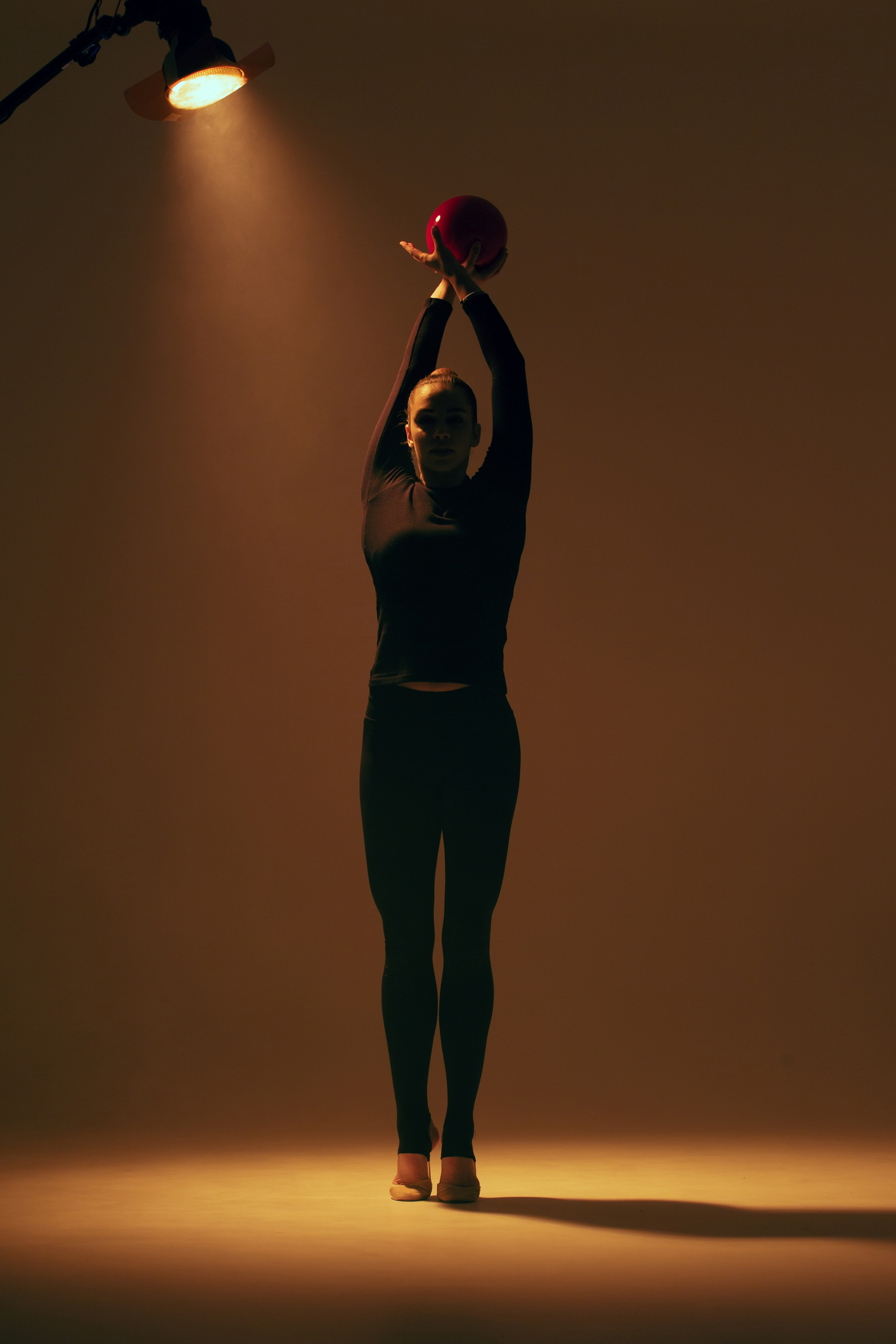
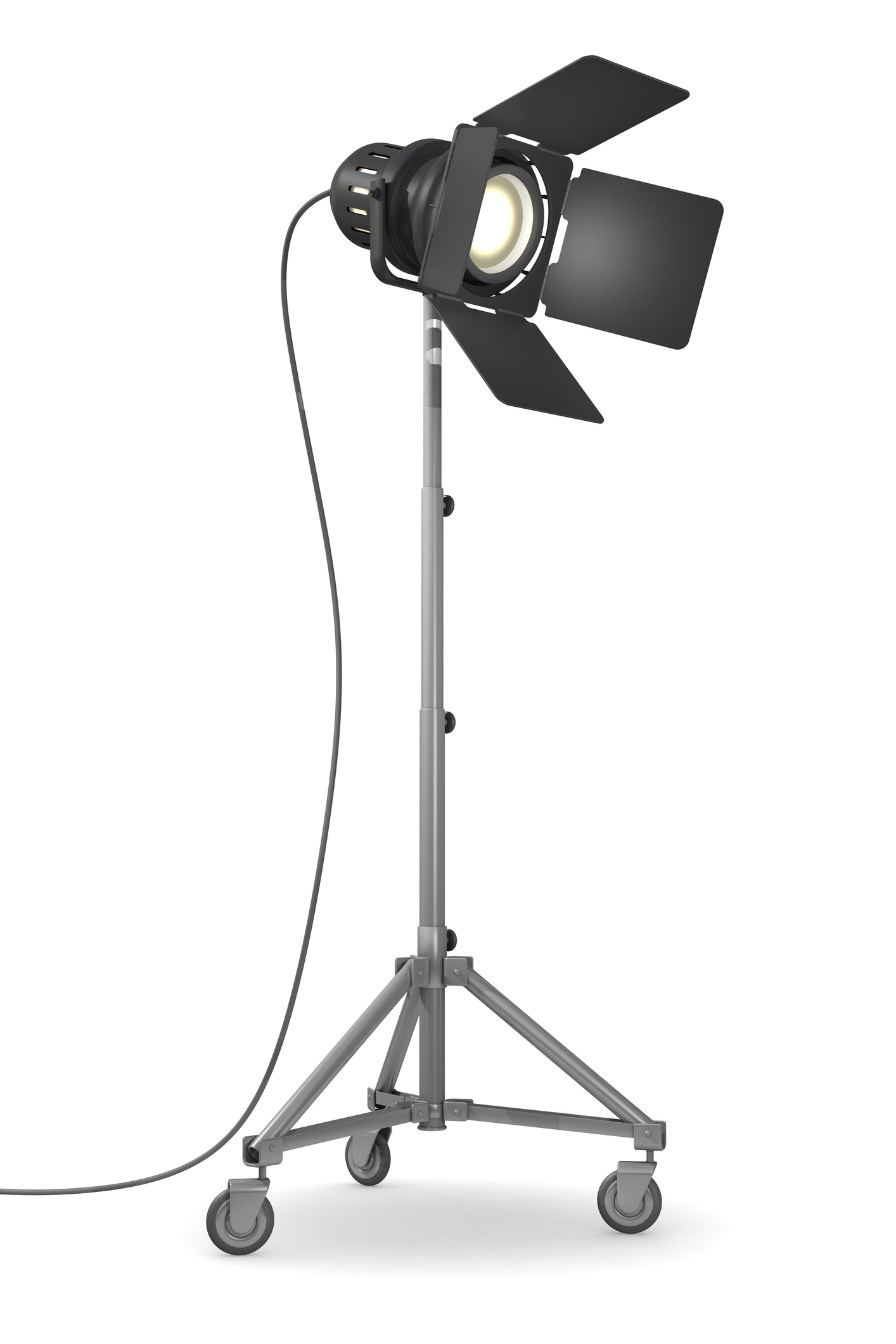
Hot Lights are a source of studio or location lighting options which provide a continuous light source utilizing either tungsten lamps or quartz light bulbs. These provide strong illumination but are usually not as strong as studio strobes.
The advantages include being able to see clearly where the light falls as it is being used. They also closely match the warm color temperature of typical lighting fixtures such as lamps and dropdown lighting found in many interior scenes. These are often used with video applications. They may also be used with any number of lighting modifiers or color correction gels.
One disadvantage is that they generate a lot of heat.
Cool Lights
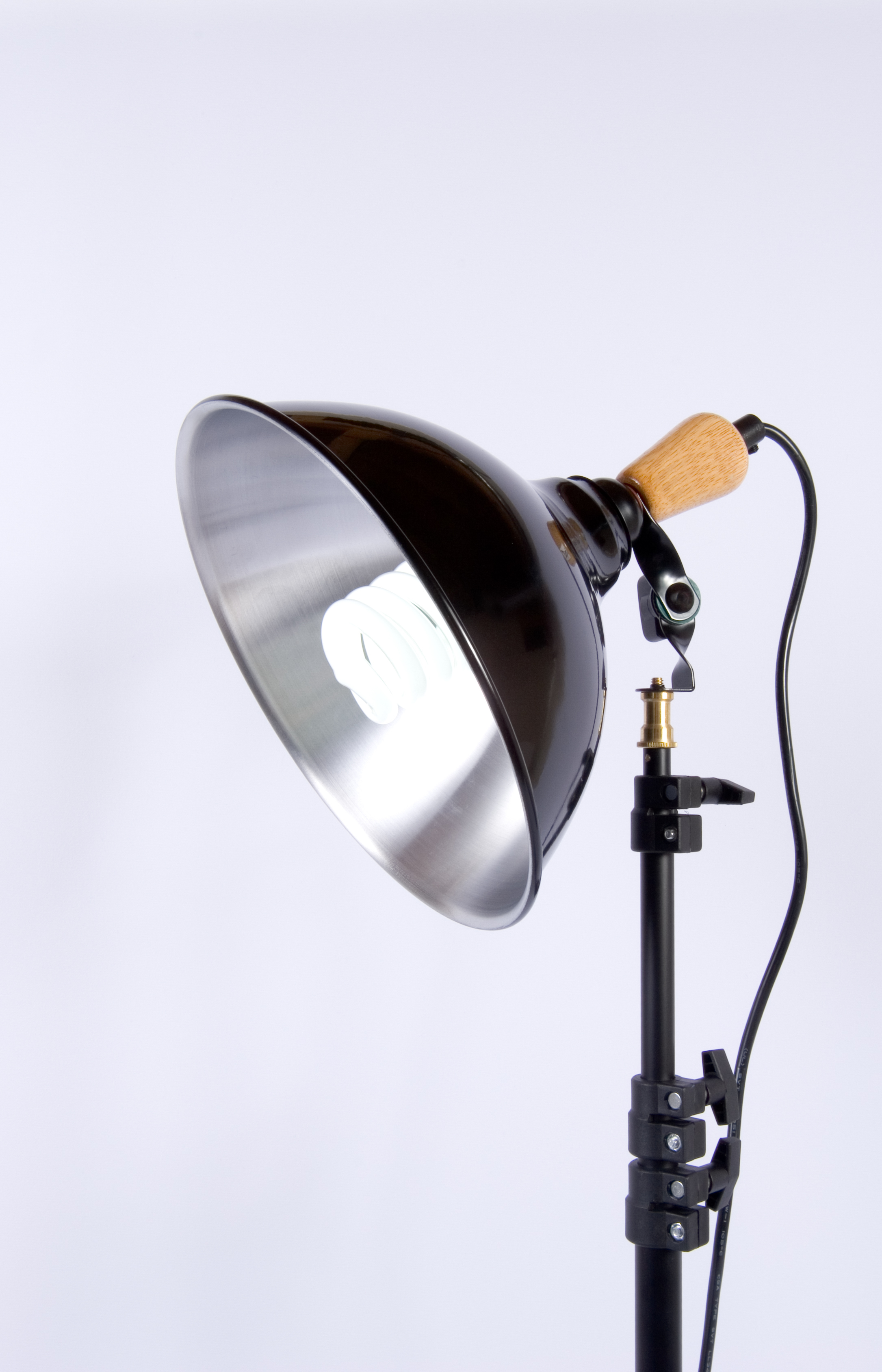
Cool lights provide a continuous light through the use of fluorescent, compact fluorescent or LED bulbs. They compare to the output of hot lights without generating heat. They are available in a range of color temperatures and can be filtered to match the color temperature of other light sources. They may be used with an assortment of light modifiers or as parabolic light sources.
The advantage of these lights is the fact that they are a constant light source which allows the photographer to see the light where it falls as it is being used.
They are also popular with photographers who photograph infants because they are not disturbed by the burst of light that occurs with traditional studio flash.

Portable Strobe
Portable strobes are light weight and well-suited for use outdoors and on location. Usually, these are battery operated making them very convenient for outdoor use.
They can be used on camera or off-camera with remote triggering, and can be used with umbrellas, softboxes or any number of light modifiers available for use with portable strobes.

Studio Flash
Studio flash provides a great deal of creative control and convenience for photographers who choose to work in a studio environment. They can also be portable enough for location use or even outdoors with some models able to use optional battery packs.
Studio flash gives the photographer control over the main and fill lights with added control of possible hair lighting and background lighting. Creative lighting is also possible with the use of a wide range of lighting modifiers.
Studio flash can also provide a great deal of power output when needed.
