
Module 2: Lighting & Flash Photography
MODULE 2: LIGHTING AND FLASH PHOTOGRAPHY
This portion of the examination will measure possible types of lighting (Studio, Ambient, Flash, Daylight), lighting properties
A. Evaluating Lighting Options

Seeing Light
Where an artist uses paint to put a vision on canvas, a photographer uses light to create images. This is why it is important to begin to not only see light and recognize its many qualities, but also important to understand its’ nature and how to control it.
Natural Light Sources
Common natural light sources include direct sunlight, open sky, indirect sunlight, reflected sunlight, filtered sunlight, overcast lighting and moonlight. Fire might also be considered a natural light source.
Artificial Light Sources
Artificial light is anything other than sunlight. This includes all lighting such as lamps, streetlights, household, and commercial lighting, decorative and more.
Also included in this group are the wide varieties of photographic lighting products that are available to photographers including hot lights, cool lights, portable strobes, studio lights, LEDs, and other forms of continuous lighting.
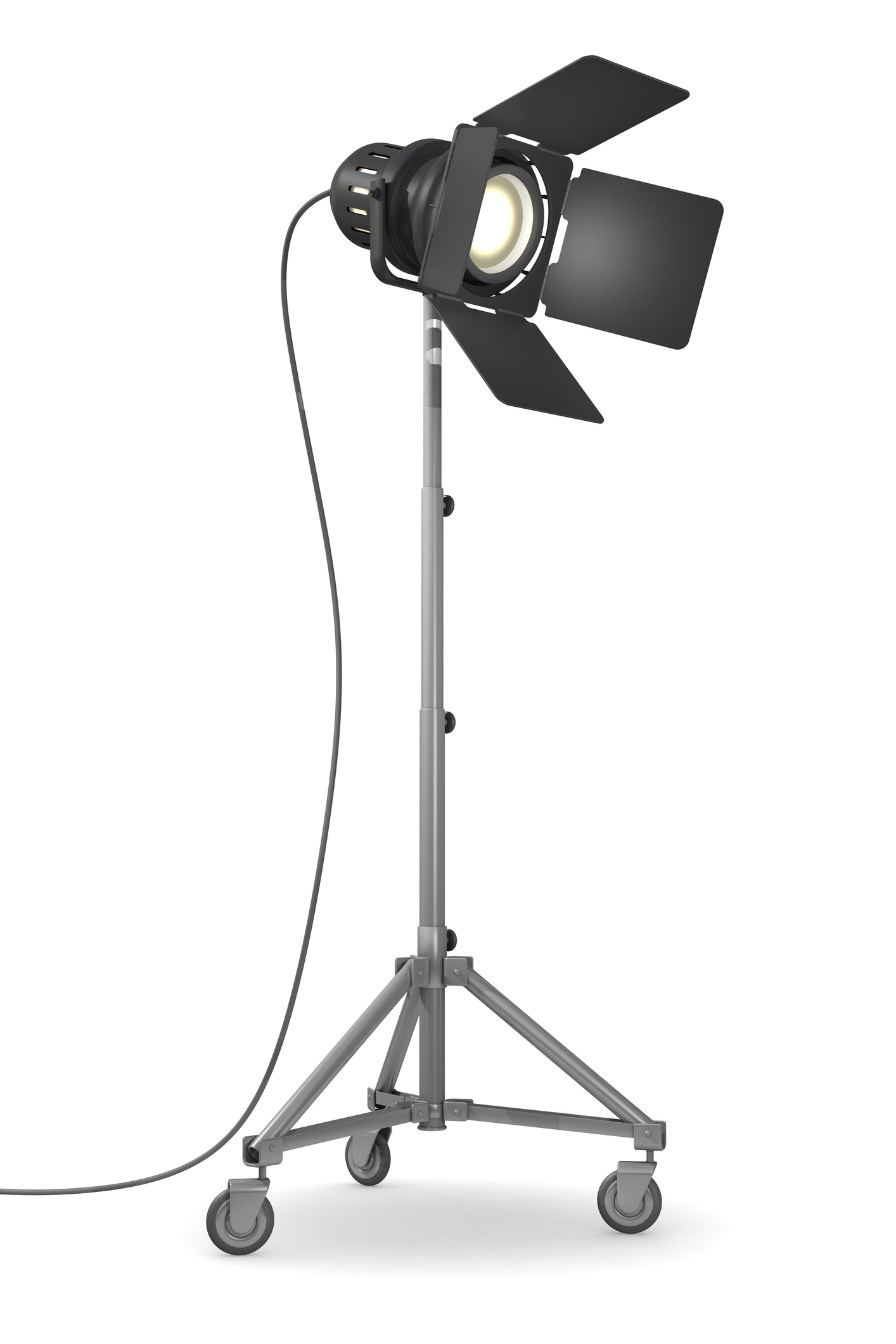
Hot Lights are a source of studio or location lighting options which provide a continuous light source utilizing either tungsten lamps or quartz light bulbs. These provide strong illumination but are usually not as strong as studio strobes.
The advantages include being able to see clearly where the light falls as it is being used. They also closely match the warm color temperature of typical lighting fixtures such as lamps and dropdown lighting found in many interior scenes. These are often used with video applications. They may also be used with any number of lighting modifiers or color correction gels.
One disadvantage is that they generate a lot of heat.
Cool Lights
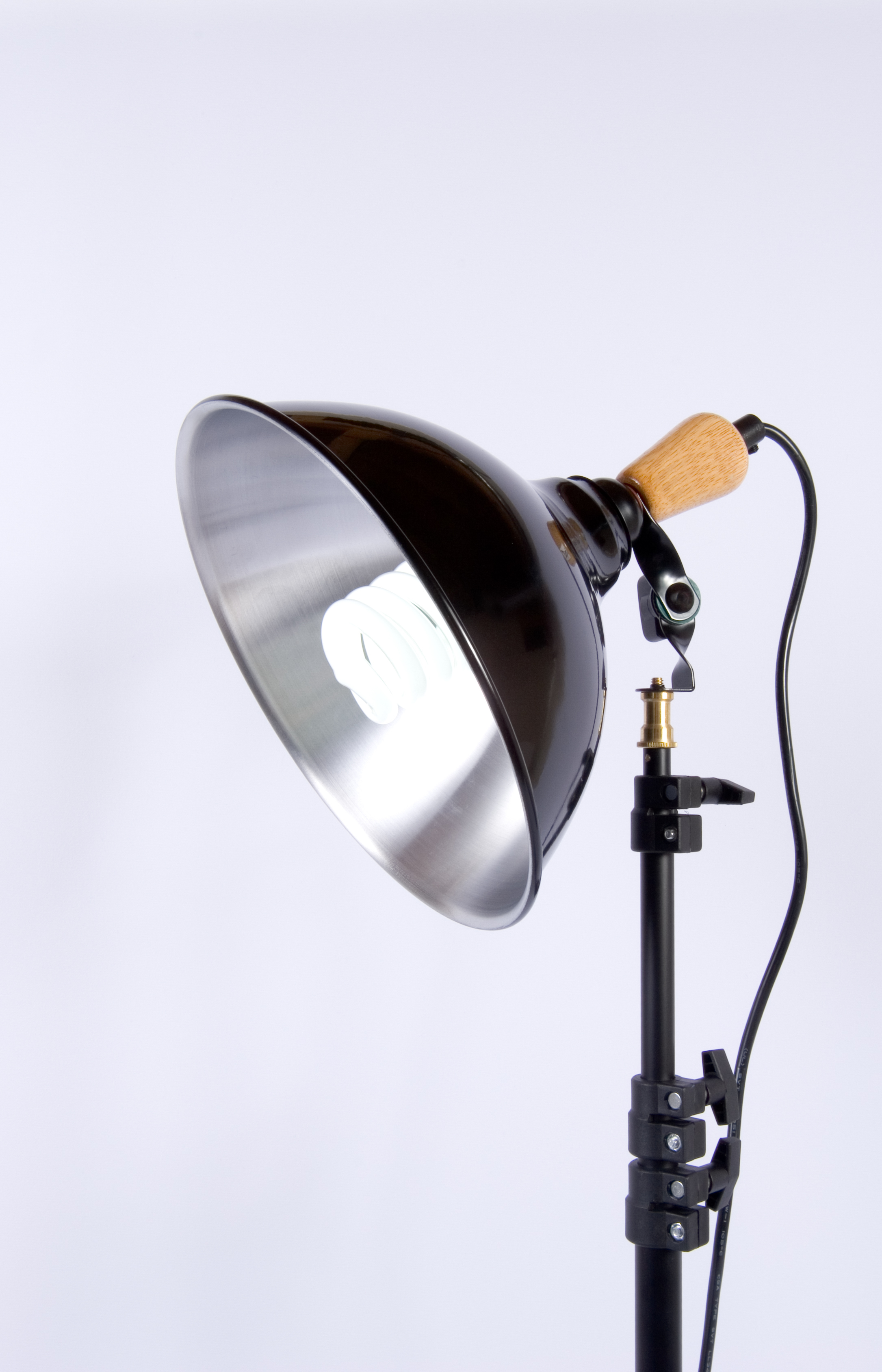
Cool lights provide a continuous light through the use of fluorescent, compact fluorescent or LED bulbs. They compare to the output of hot lights without generating heat. They are available in a range of color temperatures and can be filtered to match the color temperature of other light sources. They may be used with an assortment of light modifiers or as parabolic light sources.
The advantage of these lights is the fact that they are a constant light source which allows the photographer to see the light where it falls as it is being used.
They are also popular with photographers who photograph infants because they are not disturbed by the burst of light that occurs with traditional studio flash.

Portable Strobe
Portable strobes are light weight and well-suited for use outdoors and on location. Usually, these are battery operated making them very convenient for outdoor use.
They can be used on camera or off-camera with remote triggering, and can be used with umbrellas, softboxes or any number of light modifiers available for use with portable strobes.

Studio Flash
Studio flash provides a great deal of creative control and convenience for photographers who choose to work in a studio environment. They can also be portable enough for location use or even outdoors with some models able to use optional battery packs.
Studio flash gives the photographer control over the main and fill lights with added control of possible hair lighting and background lighting. Creative lighting is also possible with the use of a wide range of lighting modifiers.
Studio flash can also provide a great deal of power output when needed.

Remote Triggering
A photographer working in a studio environment or who wishes to introduce artificial strobe lighting to an outdoor setting will likely prefer the convenience of remote triggering the strobe as opposed to being tethered to the light source by a cord. There are three types of remote triggers to consider: infrared, photosensitive and radio.

Infrared Triggers
These triggers work with an infrared light ray from a source or trigger unit striking an infrared receiver on the remote unit. They are usually found built into higher end portable strobes.
The use of infrared triggers comes with some degree of inconveniences. For example, while usually reliable, infrared triggers require a line of sight so that the two units are able to see each other. They also usually have a limited distance that the master and receiver can be separated for effective use. They may also be impacted greatly by the amount of existing light in the environment. For example, they may be less efficient outdoors in bright light.
Photosensitive Triggers
These triggers work on the basis of a flash with a remote sensor that detects another flash.
A remote sensor causes the second flash to fire in sync with the trigger flash with no perceivable delay. While not requiring a direct line of sight that is necessary with infrared triggers, the remote still must be situated to detect the sudden burst of flash from the trigger unit.
These are sometimes built into studio lighting units or as external devices that can be used with existing flash units. Photosensitive triggers also suffer some degree of accuracy in bright light environments.
Perhaps the biggest detriment to the use of photosensitive triggers is from other photographers using flash in the same area. Repeated firing of the remote unit unintentionally leads to faster draining of the flash battery.

Radio Triggers
These reliable triggers use radio waves to communicate with each other. The transmitter connected to the camera sends a radio signal to a receiver mounted to the remote flash to fire it. These allow for use at increased distances and do not require a line of sight.
Radio triggers can be purchased as a set including a transmitter and a receiver. It is common to be able to purchase additional receivers so that multiple lights can be fired with a single transmitter. Some units serve as a dual unit that can be set to transmit or receive. Radio remote triggers are also useful in firing the camera during long exposures in order to reduce vibrations that may affect sharpness.
Because radio triggers work on unique frequencies, there are multiple channel options for firing different sets of lights.
Another common use of a radio transmitter is to set it up to fire the camera remotely. Just take a close look at the backboard of a college or pro basketball game and see the multitude of cameras that are mounted to them. These cameras are being fired remotely by the photographer sitting on the sidelines or in the stands with a radio transmitter. There can be so many cameras on the backboard because they all have been assigned a unique channel.
These remote triggers come in very handy as well under situations where it might be inconvenient or even dangerous to be near the camera or the flash. Wildlife photographers will often use an unmanned camera left in the animals’ environment and safely fire the camera remotely from a safe distance.
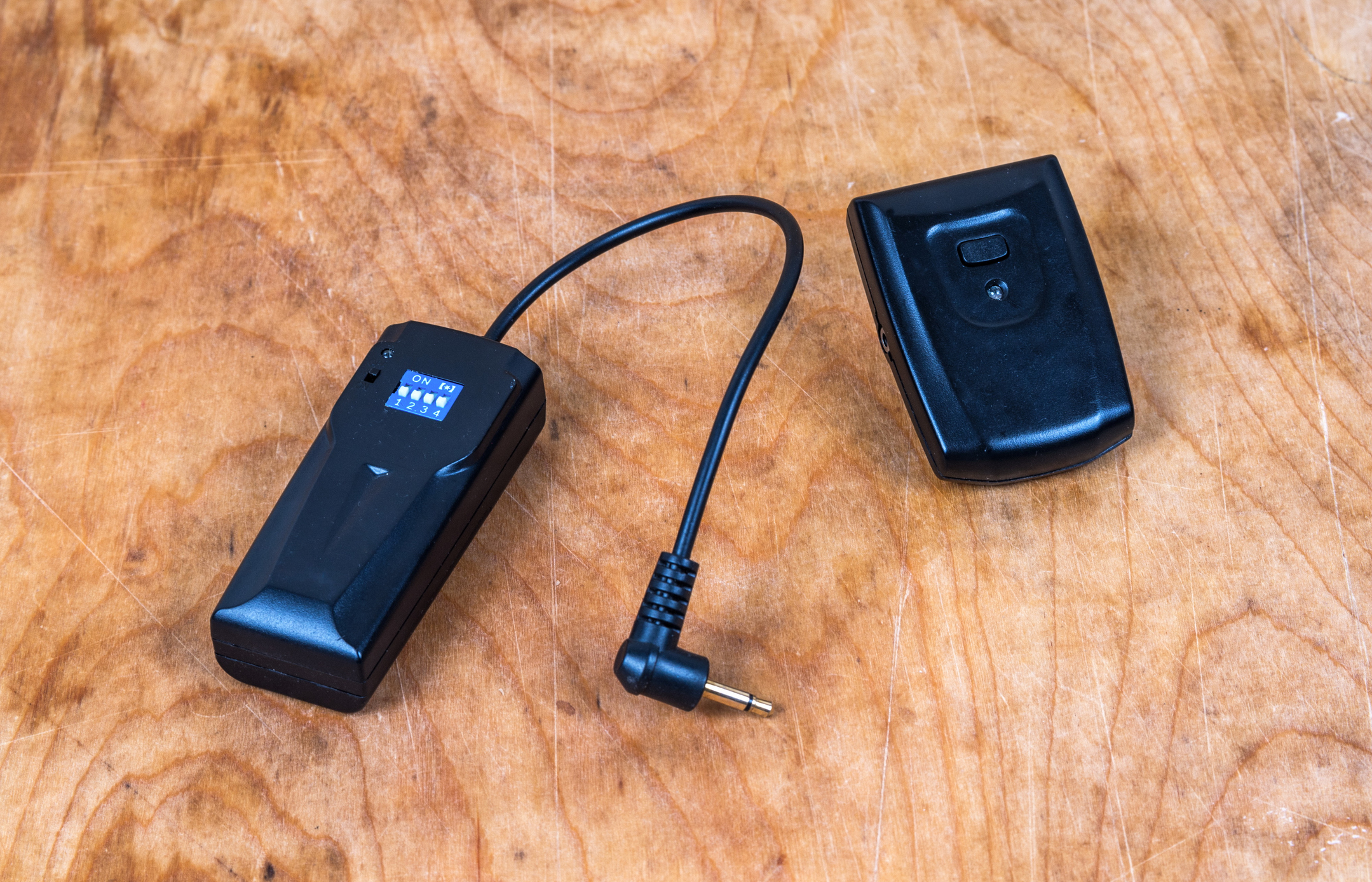
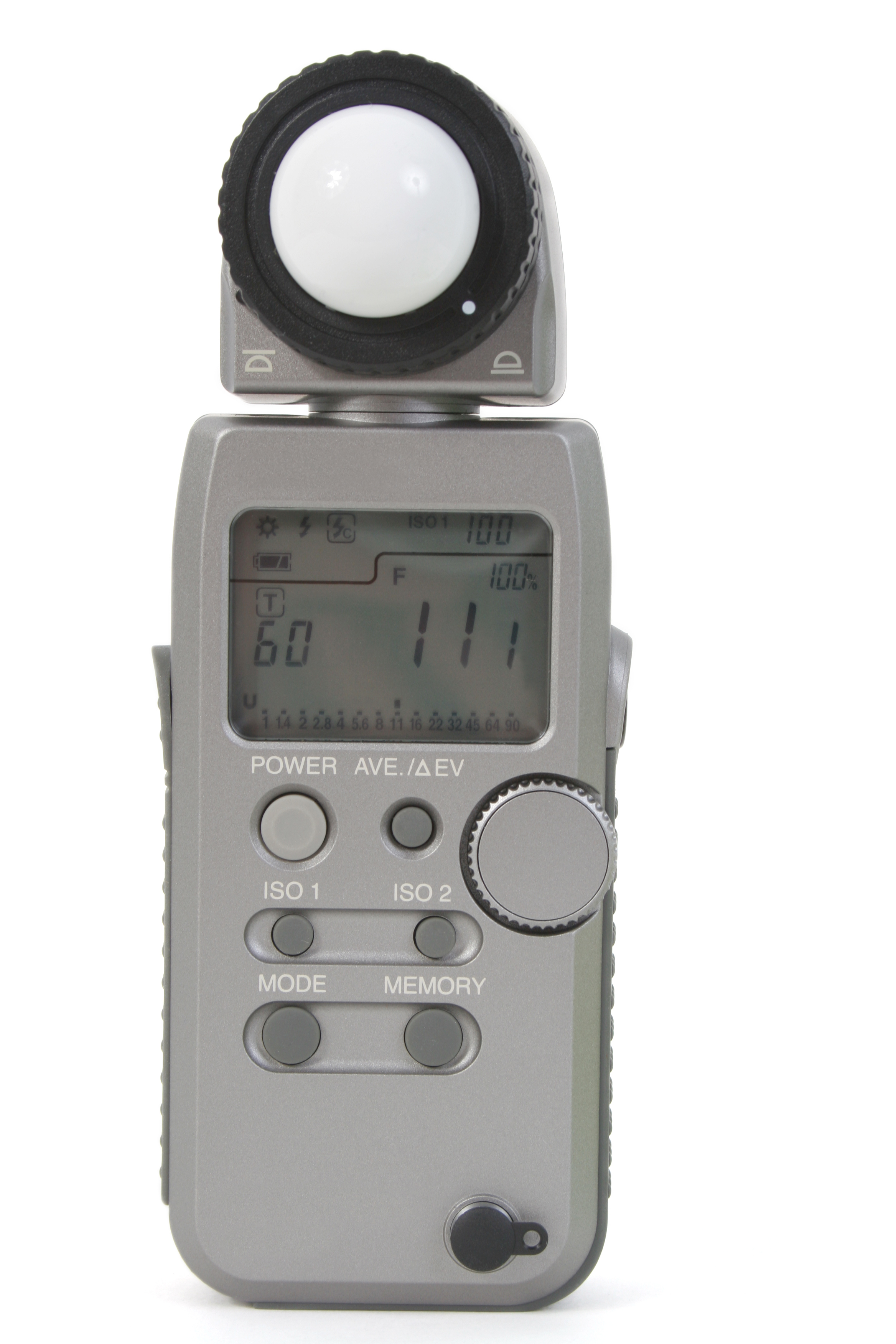
Some meters also offer a built-in transmitter or the option of adding a transmitter module to the meter. This is very convenient because the flash can be triggered simply by activating the meter.
Lighting Modifiers
Parabolic reflectors are designed to increase the efficiency of the light by focusing the light forward. This is accomplished by the bowl shape which works to keep the light beaming forward. The directional beam of light can be very harsh creating very distinct shadows which sculpt the subject to bring out detail and texture.
For portrait images, the lights are usually feathered to skim the edges of the light on the subject to create a softer and more flattering light on the subject.
The parabolic shape is also used in other lighting modifiers such as the parabolic umbrella.
Umbrellas
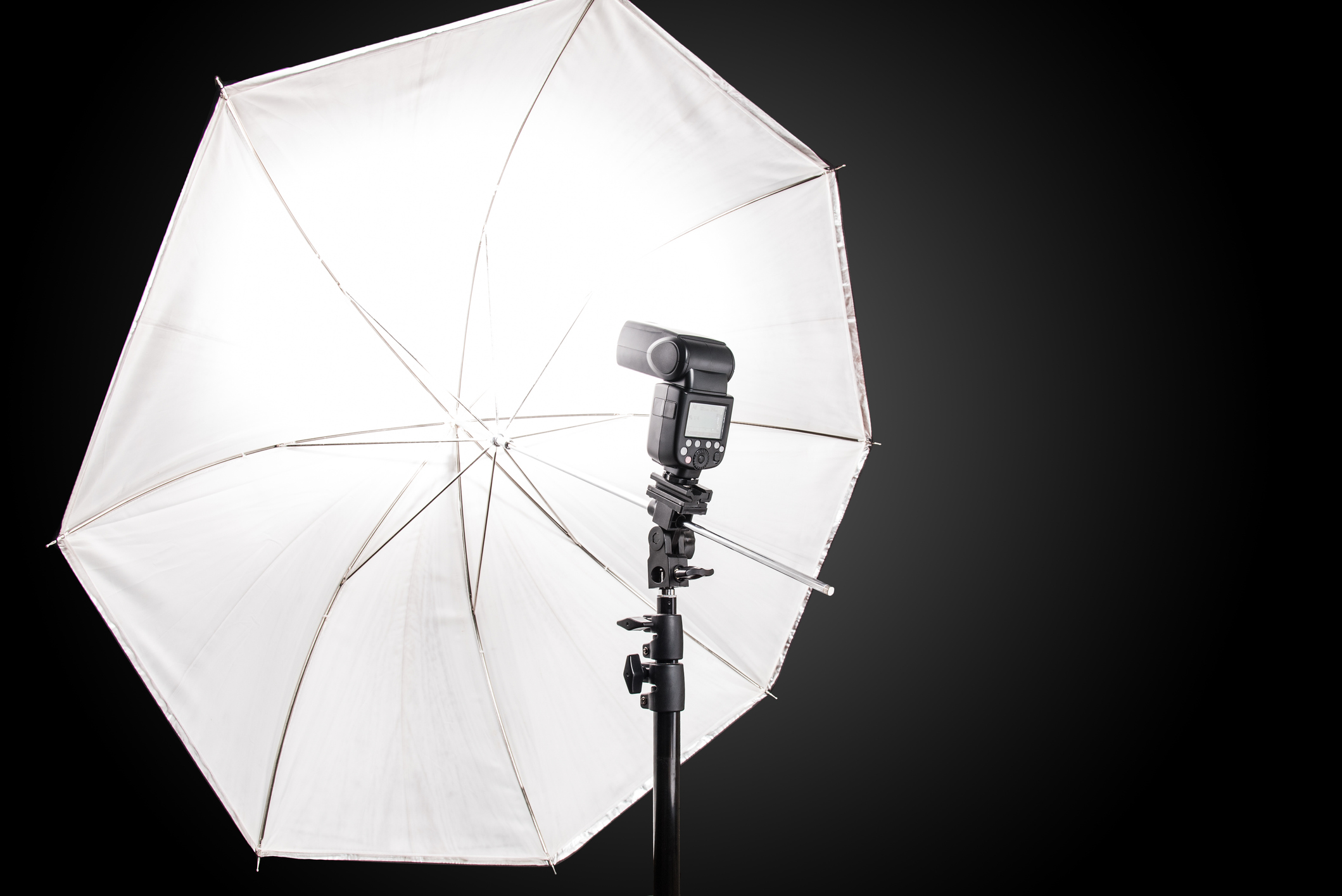
This light modifier is commonly used to provide uniform diffused light. They are available in a variety of sizes and materials. The larger the umbrella, the softer the light it can produce.
Some umbrellas are made specifically to shoot through, meaning the light source is directed toward the subject and passes through the umbrella. With most umbrellas, the light is turned away from the subject and bounced into the interior of the umbrella, so the reflected light bounces back to illuminate the subject.
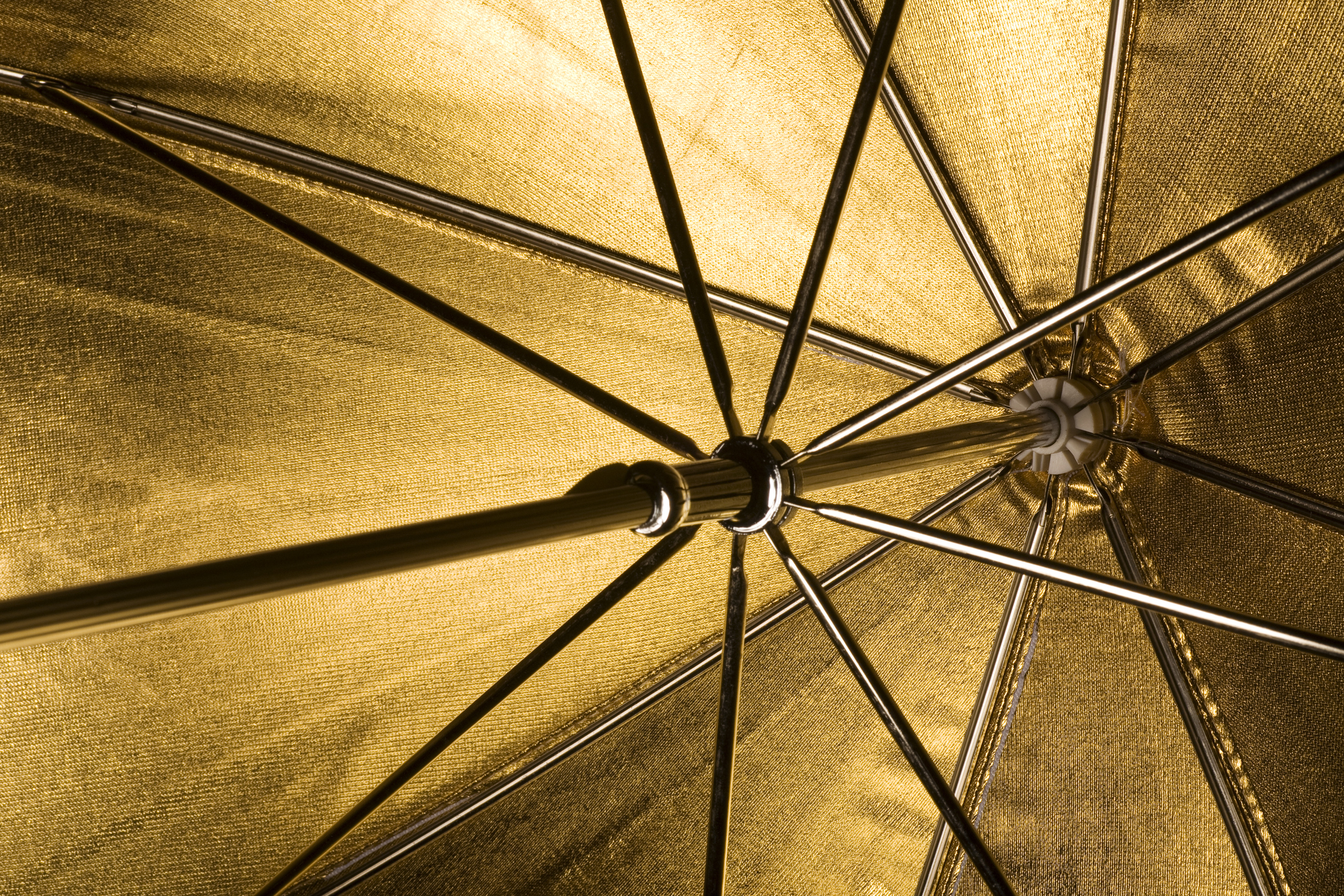
Select white, silver or gold, depending on the warmth of light you want to direct onto your subject.
A white satin umbrella provides a high degree of soft lighting with little contrast.
A silver umbrella will create a more specular light with more contrast than the white umbrella.
A gold umbrella is also quite specular and produces a higher degree of contrast. It is often used to warm skin tones or to closely match the quality and color of sunlight.

Softboxes are available in different sizes to help control the contrast of the light. Smaller softboxes produce higher contrast light while the larger softboxes provide a softer light. Usually used in conjunction with a reflector. The image below shows a small softbox fitted over a portable strobe.

Strip Light: A narrow softbox that works great as a hair light or as a main light.

Scrim: Translucent diffusion panels are placed in front of a light source to soften the light.

Snoot: When attached to a light source, snoots restrict the spread of light to a concentrated area. They produce a spotlight effect. Some have a focusing capability to allow you to control the spread of the light.

Barn Doors: These attach to your strobes to control light coverage. They usually have 2 or 4 hinged flaps that move independently and adjust how wide or narrow an area the light covers.
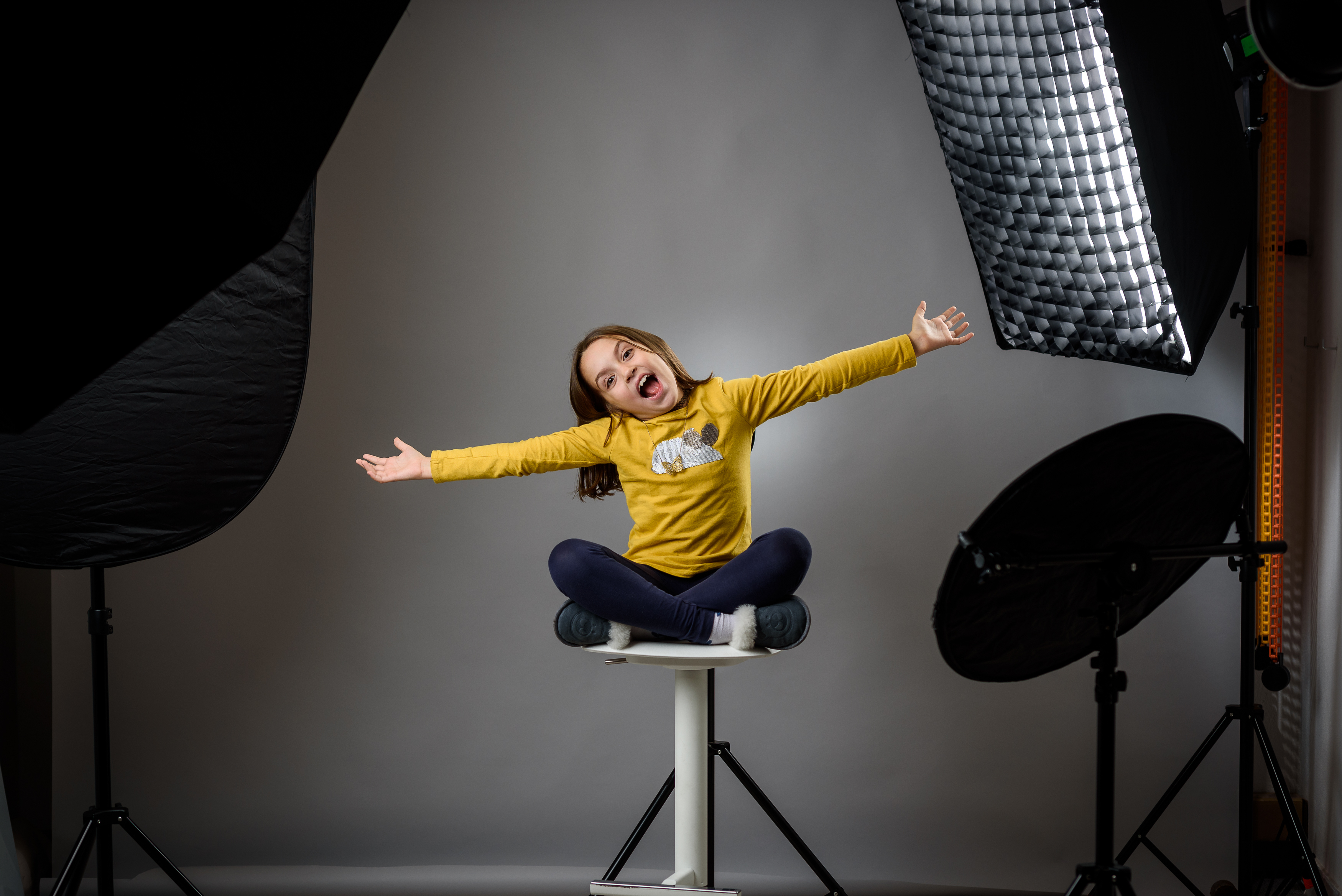
Grids: Also known as egg crates, grids are used to control stray light by keeping the direction of light focused forward. The softbox below on the right is fitted with grids.
Louvers: Similar to grids but have blinds attached to a softbox that open and close to help control the volume of light and the direction of the light coming out of the softbox.
Lighting Accessory Gear
Gobo/Flag: Gobo comes from the words go-between. Gobos are usually black cards or flags that are placed in front of the light source to block unwanted light. They are used to keep light from hitting a particular spot on the subject or to keep stray light off the background.
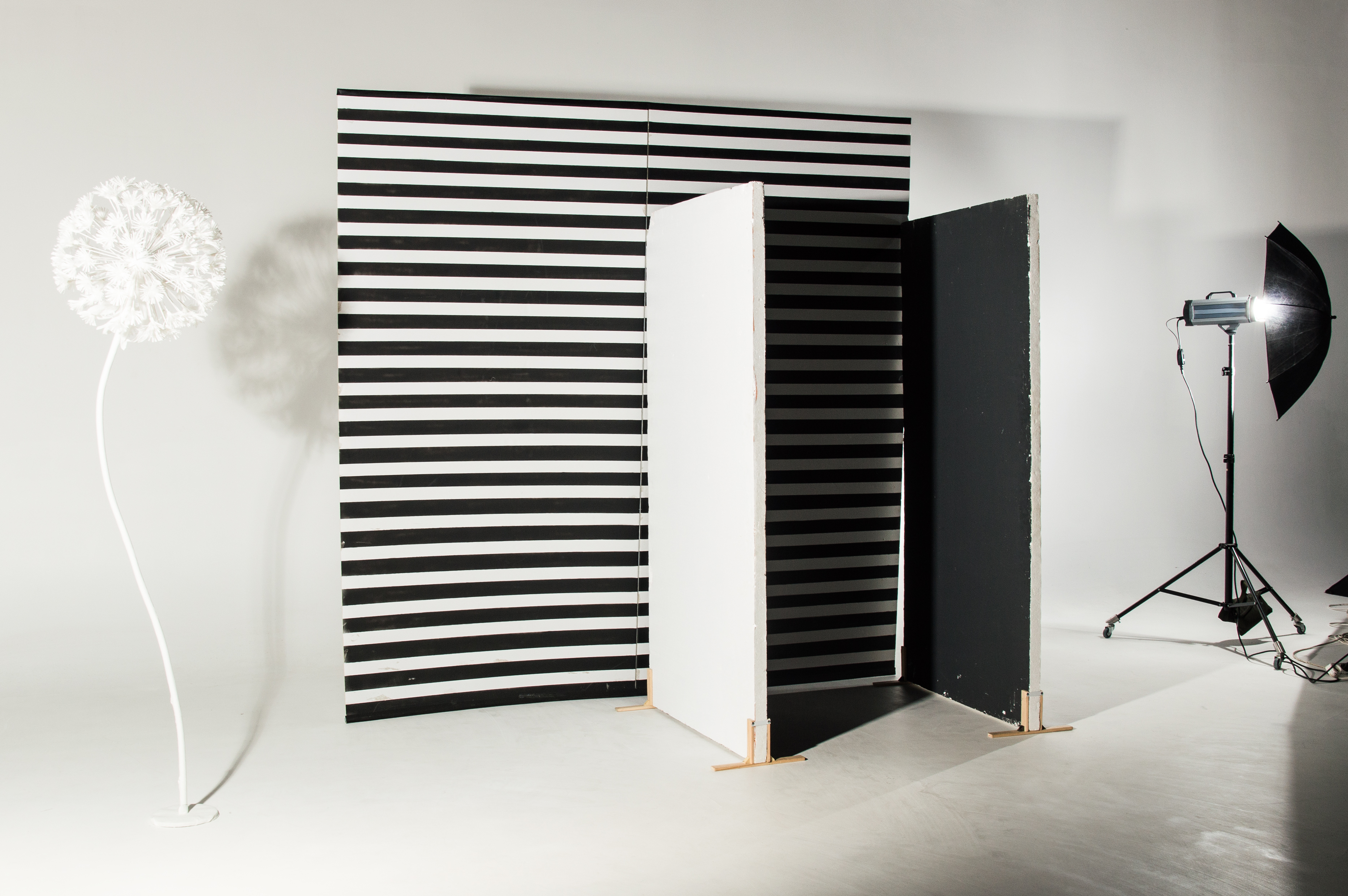
Reflectors: Reflectors come in many shapes and sizes and are made from numerous materials. They are used to reflect or bounce light back into shadow areas to help illuminate details.
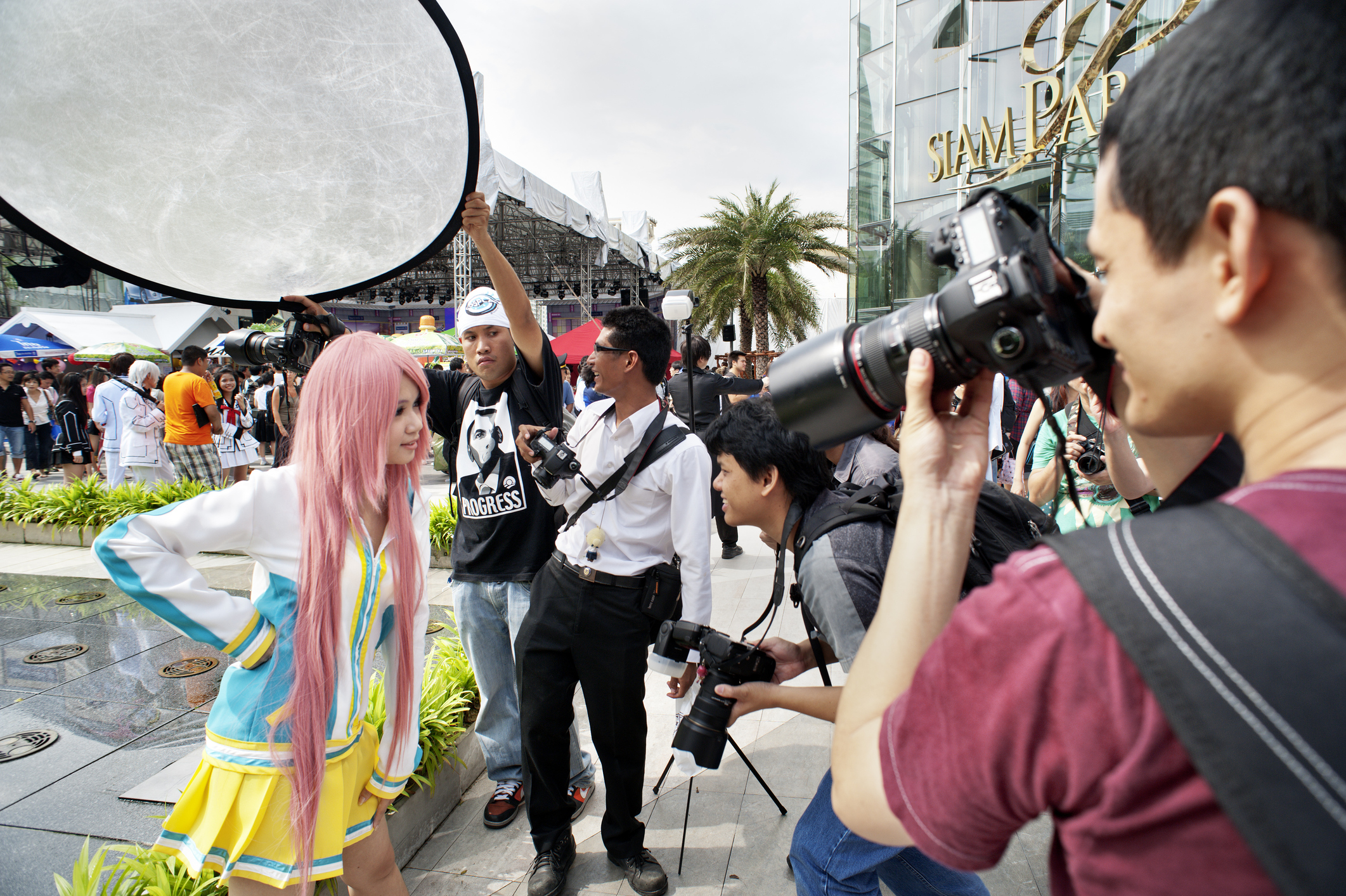
White reflectors provide a soft, diffused light quality where silver reflectors tend to be more specular. Gold reflectors reflect warm light onto the subject. Black reflectors are used to add lighting contrast on a subject through a subtractive light technique in which the reflector is used to block light or to reflect black into the shadows.